2026-11-10 ·
Termite Signs in Florida Homes and What a Treatment Involves
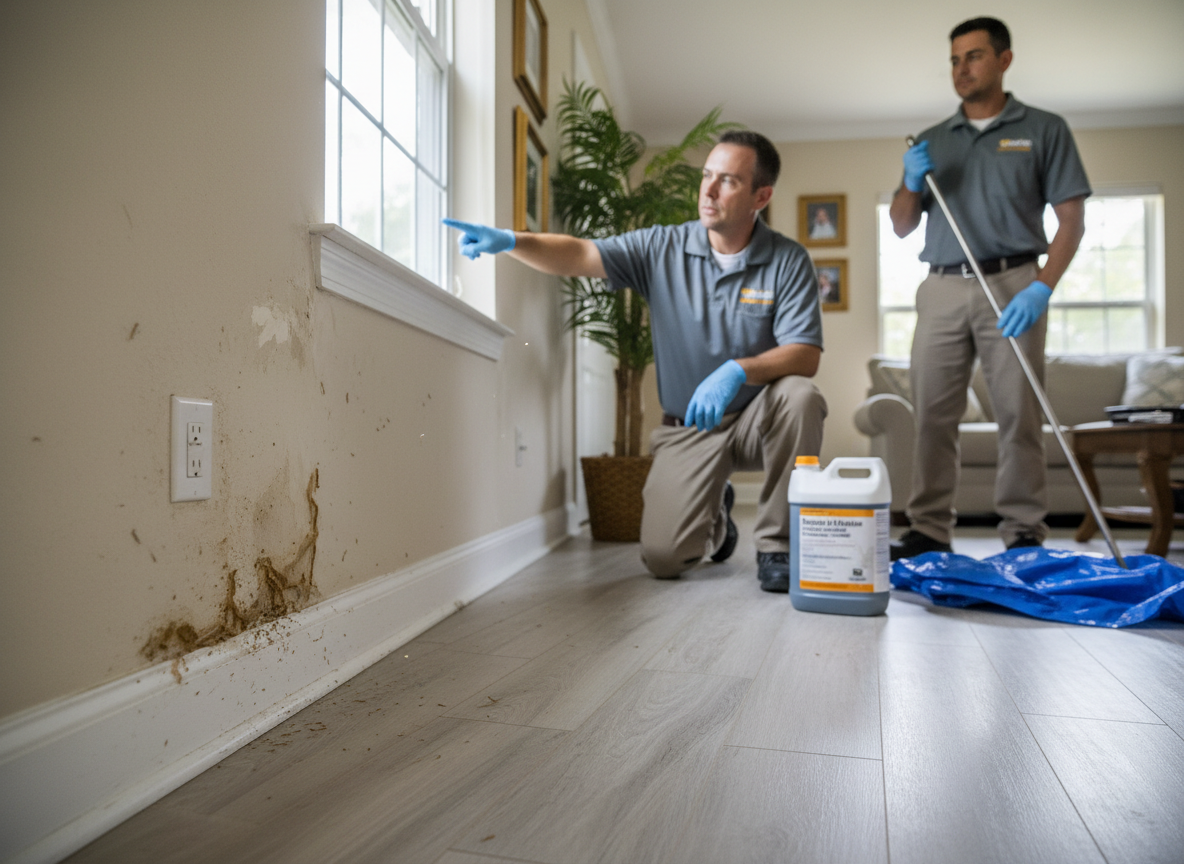
Termite signs in Florida homes depend on which termite moved in. The state has eastern subterranean termites, Formosan termites and drywood termites, and each leaves its own trail. Knowing the signs helps you describe the problem on the phone and understand the treatment the technician suggests.
Mud tubes on the slab or walls
Subterranean termites, including the Formosan termite, live in the soil. They need moisture, so they build mud tubes about the width of a pencil to travel from the ground to wood. Look for them on the slab edge, garage walls, block foundation, piers under older homes and around pipes where they enter the floor. Break a small piece open. Pale, soft-bodied insects inside mean the tube is active.
Small pellets under windows and in the attic
Drywood termites live inside the wood itself and never touch the soil. They push their droppings out of tiny holes, and the pellets pile up on sills, floors and furniture. The pellets are hard, about the size of a grain of sand, and have six flat sides. Drywood termites are most common in coastal towns and older homes, often in attic framing, window frames and wood furniture.
Swarmers and discarded wings
Swarmers are winged termites that leave a mature colony to start new ones. Eastern subterranean termites swarm by day in late winter and spring. Formosan termites swarm on warm, humid evenings from about late April to June and fly to lights. Drywood termites often swarm on spring and summer evenings. A swarm outside is common. Swarmers or piles of wings inside the house are a much stronger sign of a colony nearby.
Hollow wood and other damage
Termites eat wood from the inside and leave a thin outer layer. Tap baseboards, door frames and window trim with a screwdriver handle. Wood that sounds hollow or gives way is a warning. Paint that bubbles, doors and windows that suddenly stick, and floors that feel soft can also point to termites, though moisture can cause the same signs.
What happens at the inspection
The technician checks the slab edge, garage, baseboards, bathrooms, attic and outside walls. The goal is to find live activity, identify the species and spot moisture problems that draw termites. For a home sale, the result goes on a wood-destroying organism report, Florida form FDACS-13645. HomeGuide puts a basic termite inspection at about $75 to $150. A termite inspection is the first step before any treatment.
Treatment for subterranean and Formosan termites
These termites are treated where they live, in the soil. A liquid termiticide goes into a trench dug around the foundation and into holes drilled at slab cracks and plumbing gaps. It works fast and stays in the soil for years. Bait stations are the other choice. They go into the ground around the house, termites feed on the bait and carry it back to the colony, and the technician checks them on a schedule. Baits take longer but disturb less of the yard and slab. HomeGuide puts chemical or bait treatment at about $225 to $2,500.
Treatment for drywood termites
Drywood termites are treated in the wood. When the colony is small and reachable, the technician can inject foam or dust into the galleries, or heat a section of the house. When drywood termites are spread through the attic and walls, the house is tented and fumigated. People, pets and plants leave for about one to three days, and food and medicine go into special sealed bags. HomeGuide puts whole-home tenting at about $2,000 to $8,000, and Angi lists it at about $1 to $4 per square foot.
What moves the price
Home size and the length of the foundation matter most for liquid treatment. The number of stations sets bait costs. For tenting, square footage, roof shape and attached structures like porches change the price. Wood that termites have already damaged is a separate repair. The technician gives a written estimate before any work starts, and termite control and treatment options are explained before you choose.
Simple steps that lower termite risk
Keep mulch and soil a few inches below the top of the slab and away from siding. Fix leaks at outside faucets, AC drain lines and gutters. Store firewood and lumber off the ground and away from the house. Make sure no wood trim, fence posts or steps sit in direct contact with soil. A yearly inspection catches new activity while it is still small.