2026-11-12 ·
Rodent Control in Florida: Why Mice Come In and How Exclusion Works
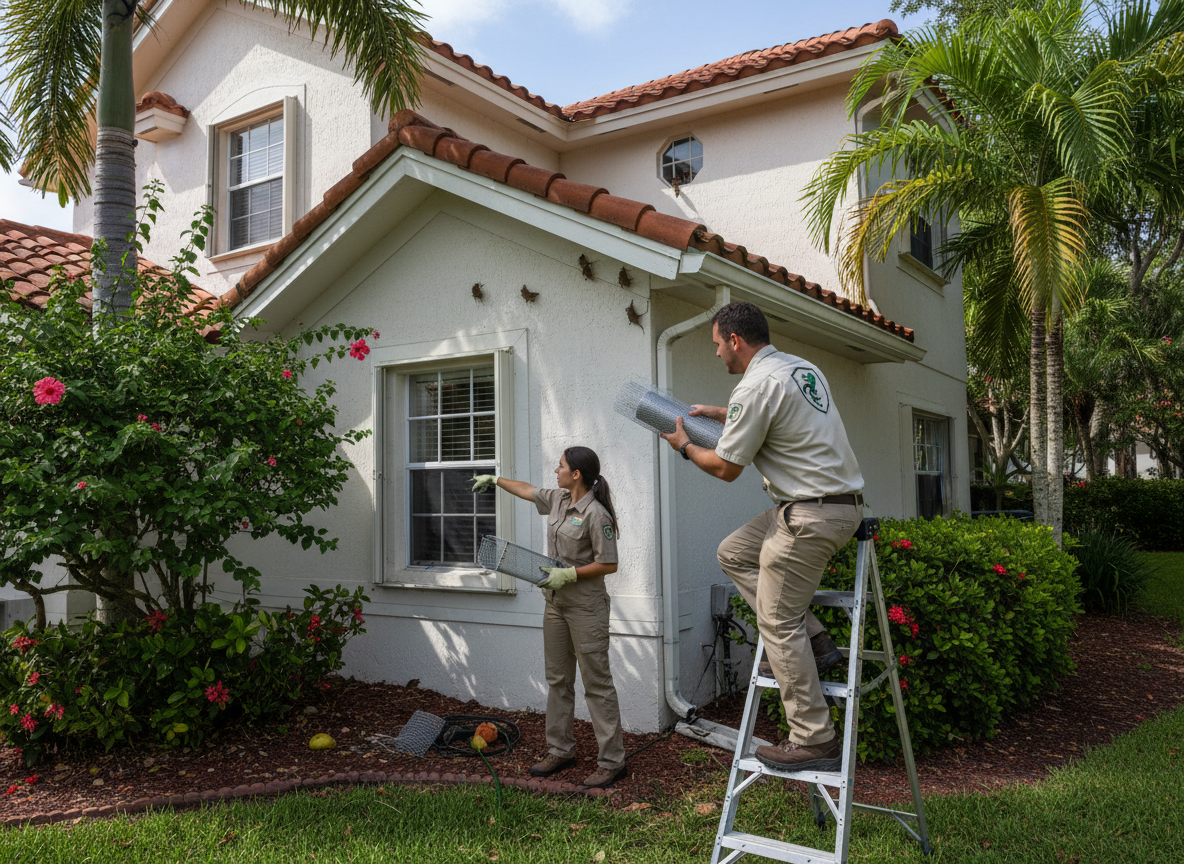
Mice come into Florida homes through gaps as small as a quarter inch when they seek food, water, and warmth once winter temperatures drop. Exclusion works by finding and sealing those openings with steel wool, caulk, or metal plates so rodents cannot get inside again. Homeowners can check common spots around the foundation, pipes, and vents to start the process.
Why mice enter florida homes
Florida homes attract mice because the mild climate keeps pests active all year. Mice look for easy food sources like pet food left out or crumbs in kitchens. They also need water from leaky pipes or condensation under sinks. Once inside, they build nests in attics, walls, or behind appliances where it stays dry and quiet. Gaps form over time from settling soil, weather wear, or utility work. These openings let mice in without much effort. Homeowners notice droppings near baseboards or gnaw marks on stored boxes. Checking for these signs early helps limit the problem before it grows. Rodent control addresses the entry points directly rather than only trapping after mice arrive.
Entry points to inspect around the house
Start at the foundation and look for cracks wider than a quarter inch. Check where pipes enter the home, including under sinks and near water heaters. Door thresholds often have worn weather stripping that leaves space at the bottom. Vents for dryers and bathrooms need tight covers because mice chew through soft screens. Attic openings around chimneys or roof edges let mice climb in from trees or wires. Garage doors may have gaps at the sides if the seal is old. Walk the outside perimeter at dusk to spot movement near these areas. Measure each opening and note it on a simple list. This inspection shows the full scope before any sealing begins. Pest control can combine with exclusion when other insects share the same routes.
How exclusion stops rodents
Exclusion starts with cleaning up food and water sources so mice have less reason to stay. Then the technician fills every identified gap using materials mice cannot chew through. Steel wool works well in small holes because it stays in place and resists gnawing. Larger openings get metal flashing or heavy caulk rated for outdoor use. Door sweeps and vent covers close off common travel paths. The process takes several hours depending on the size of the home and number of entry points. After sealing, the technician sets a few traps inside to catch any mice already present. Follow up visits confirm no new activity. This method prevents future problems without repeated trapping. Costs range from $350 to $750 for a standard single story home when the work focuses on exclusion alone.
When to schedule rodent control
Call when droppings appear in more than one room or when scratching sounds start in the walls at night. Early action keeps the job smaller and the cost lower. A full inspection reveals whether mice have reached the attic or insulation, which adds to the work. Homeowners who wait often face chewed wiring or larger nests that require extra cleanup. The technician can explain each step and give a written range before starting. Regular checks after the first exclusion help catch any new gaps from storms or settling. This approach fits homes across Florida where rodents stay active through every season.